
-
-

SKU: 199702ST
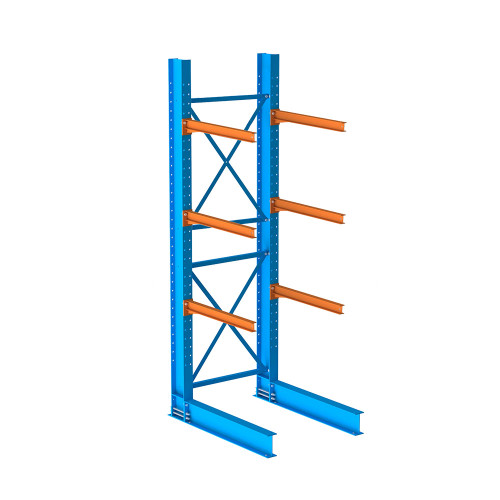
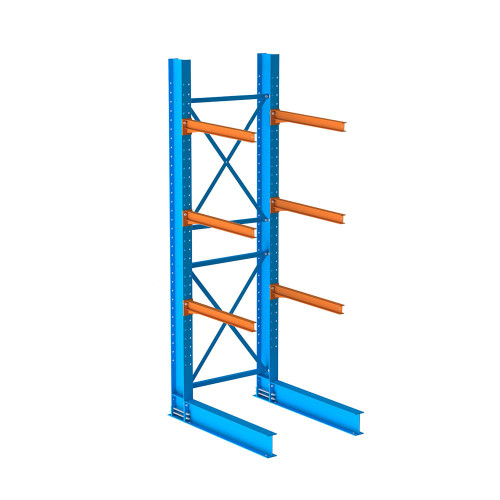
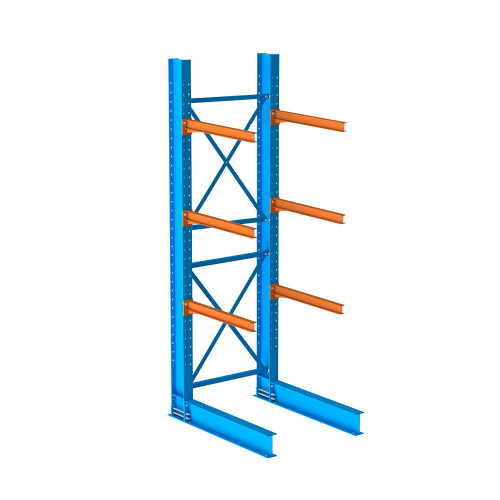
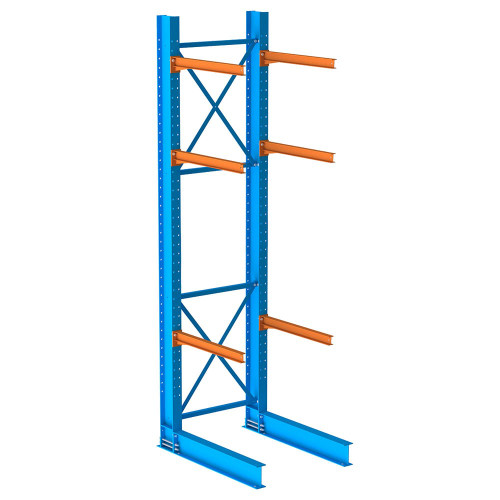
144" x 48" Double Sided Cantilever Starter Bay- (3) 48" Arm Levels - 199702ST
Add to Cart$3,752.25 -

-
-
-
-
-
-
-
SKU: 199721ST
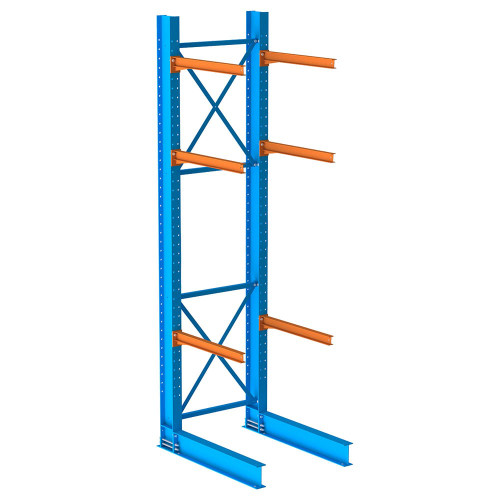
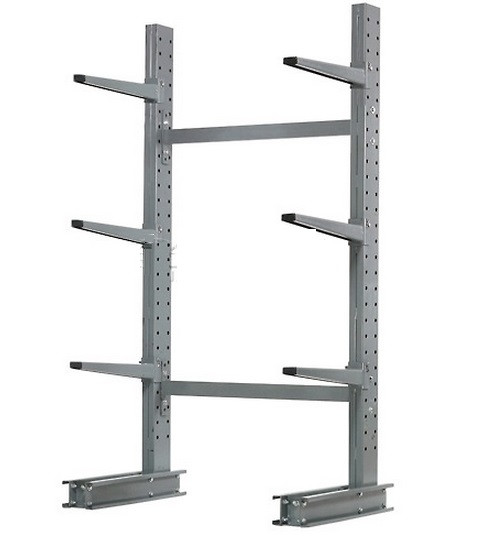
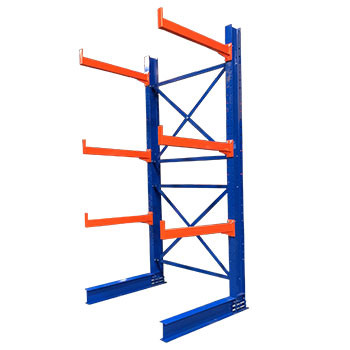
144" x 48" Single Sided Cantilever Starter Bay- (3) 48" Arm Levels - 199721ST
Out of Stock$1,428.88 -
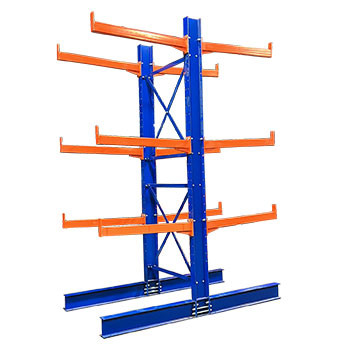
SKU: 199723ST
144" x 48" Double Sided Cantilever Starter Bay- (3) 48" Arm Levels - 199723ST
Out of Stock$2,088.88 -
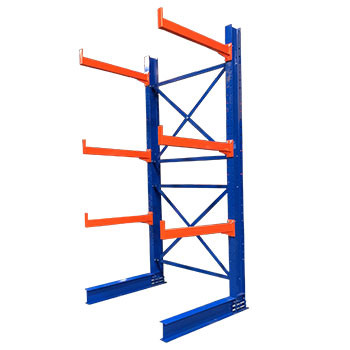
SKU: 199720ST
144" x 60" Single Sided Cantilever Starter Bay- (3) 48" Arm Levels - 199720ST
Out of Stock$1,298.98
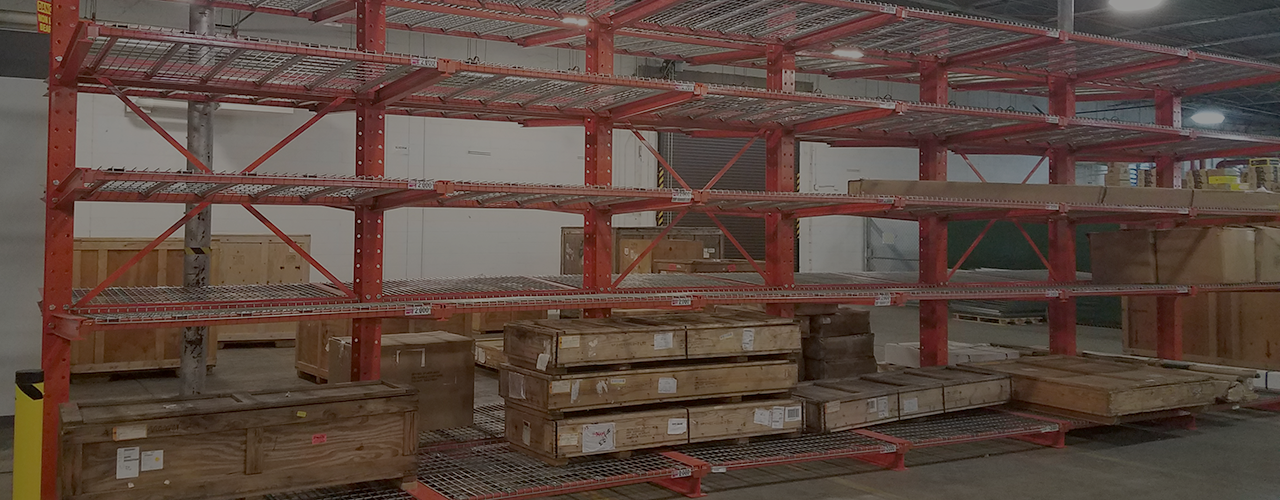
Cantilever Rack
Store and access non-palletized materials like lumber, pipe, tubing, steel bars, and furniture with ease.
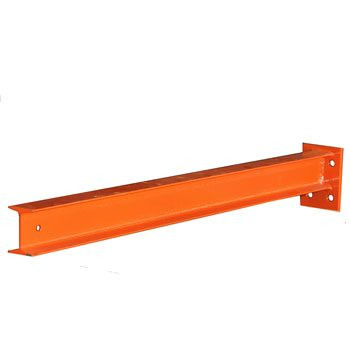
Cantilever racking features horizontal load-bearing arms extending from a single vertical column.
About Our Cantilever Racking Systems
Provide flexible storage and easy access to your non-pallet-sized material such as lumber, pipe, tubing, steel bars and furniture with cantilever racks. These heavy duty, freestanding storage units have horizontal load carrying arms that extend outward from a single vertical column. The absence of a front column makes these racks faster and easier to load and unload with forklifts than selective pallet racks. This helps lower your handling time and costs.
Buying used cantilever racking systems and parts is very common and can save you up to 30% compared to buying new racking. Along with the savings, there is virtually no difference between new or used, other than the possibility of physical wear (such as paint) which will occur eventually anyway after consistent use within your warehouse.
Cantilever Racks FAQs
A. Start by determining the weight of the materials you plan to store to ensure the system can handle the required capacity. Arm capacity is calculated by dividing the load weight by the number of arms per level, while upright capacity is determined by multiplying the number of arms per side by the load per arm.
Next, measure your facility to identify height and length limitations for the uprights, taking forklift clearance into account. Inventory should also be measured to determine the appropriate arm lengths, as materials should never extend beyond the edge of a cantilever arm.
Arms should be spaced evenly to properly support the load and prevent material deflection. Even spacing provides consistent support and improves overall system performance.
Determine the vertical spacing between arms, allowing adequate clearance for forklifts or workers to safely access inventory.
Finally, select the appropriate bracing. Horizontal and diagonal braces are chosen based on capacity requirements, and the correct brace length equals the distance between the centerlines of the uprights.
A. All structural cantilever towers are punched on both sides of the I-beam. This allows you to bolt the bases to both sides. If the total number of bases matches the total number of towers, it’s single sided. If the base total is double the amount of towers, it’s double sided.
A. All arm capacities stated are ratings per arm. You take the arm capacity times the number of arms supporting the product to get the overall capacity per level. This will also help determine how many towers you will need to support the load.
A. Place two wood blocks on the floor evenly spaced. Lower the load onto the blocks. If there is deflection (bowing) of the product between the two blocks add a third block evenly spaced. If deflection is still present, place a 4th block evenly spaced and proceed with more blocks evenly spaced until no deflection is detected.
A. These units must be installed completely level and properly anchored on flat concrete surfaces. They are not designed to sit on gravel, asphalt, or dirt/soil. Due to the extreme weights they hold, cantilever racks will tend to seat down into non-concrete surfaces over time. Uneven or seated-down surfaces will risk the integrity of the system.
A. Both single and double-sided units are designed to be fully supported at all times. The system can topple if the design has longer bases than arms by a few inches. Anchoring the system into concrete can help improve safety and prevent this from happening.
A. All cantilever arms are designed and manufactured with a slight incline. The load will drop the arms to straight when placed, ensuring that the capacity rating will hold the weight they are intended to when fully loaded.